

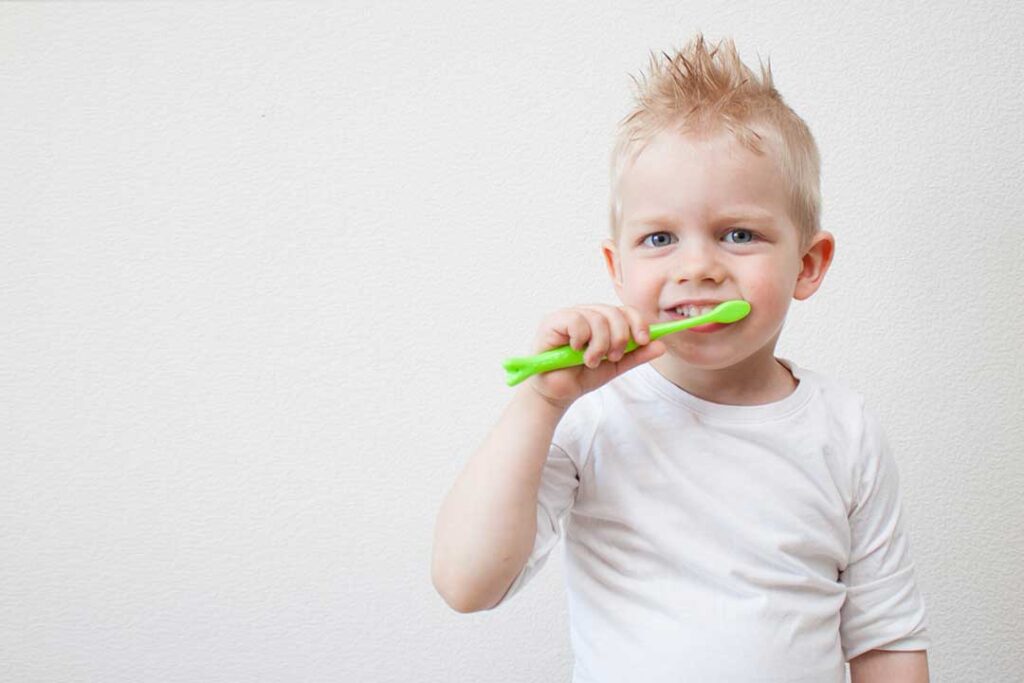
Why do children get cavities?
Children develop cavities when bacteria in dental plaque use sugars and starches from food and drinks to produce acids. Repeated acid exposure weakens tooth enamel over time. Cavities can form in baby teeth, permanent teeth, or both.
Baby teeth matter even though they eventually fall out. They help children chew, speak clearly, and maintain space for permanent teeth. Untreated decay may cause pain, infection, difficulty eating, missed school, or problems with sleep and concentration.
The most effective prevention plan combines fluoride, consistent brushing, sensible eating and drinking habits, and regular assessment of developing teeth.
How should children brush their teeth?
Children should brush twice a day with fluoride toothpaste, including the last brushing before bed. Fluoride strengthens enamel and helps repair early areas of mineral loss before a cavity becomes larger.
Use these age-based amounts:
- From the eruption of the first tooth through age 3: a smear about the size of a grain of rice
- Ages 3 through 6: a pea-sized amount
- Older children: enough fluoride toothpaste to cover the brush head lightly
An adult should place the toothpaste on the brush for young children and supervise brushing. Many children cannot clean every surface effectively until they have developed the coordination to write in cursive, often around age 7 or 8. Even after that point, an adult may need to check difficult areas.
Encourage children to spit out excess toothpaste rather than swallow it. Rinsing repeatedly with water immediately after brushing can wash away some of the fluoride left on the teeth, so a small amount of water or no rinsing may be preferable if the child can manage it safely.
Does what a child drinks affect cavity risk?
Yes. Water is generally the most tooth-friendly drink between meals. Frequent exposure to juice, sports drinks, sweetened beverages, flavored milk, and sweet tea can increase cavity risk, even when the total amount consumed does not seem large.
The frequency of sugar exposure matters. A child who sips a sweet drink throughout the morning gives mouth bacteria repeated opportunities to produce acid. Drinking the same beverage with a meal is usually less damaging than sipping it over several hours.
Helpful household habits include:
- Offer water between meals and snacks.
- Serve milk with meals rather than as an all-day beverage.
- Avoid putting a baby to bed with a bottle containing milk, formula, juice, or another sweetened drink.
- Do not dip pacifiers in sugar or sweet foods.
- Limit sticky snacks that cling to grooves and spaces between teeth.
- Include tooth-friendly snacks such as cheese, plain yogurt, vegetables, or fresh fruit.
Dried fruit can be nutritious, but it may stick to teeth. It is better served with a meal than eaten repeatedly as a snack.
How can families protect teeth during busy school and activity schedules?
Household routines often change during school breaks, sports seasons, travel, and long summer days. In Laguna Hills, warm weather and outdoor activities may lead children to drink more frequently, making water especially useful for hydration.
If brushing after lunch is not practical, children can drink water afterward and avoid slowly sipping sweetened drinks. A reusable water bottle filled with plain water can make this easier during school, sports, and outdoor activities.
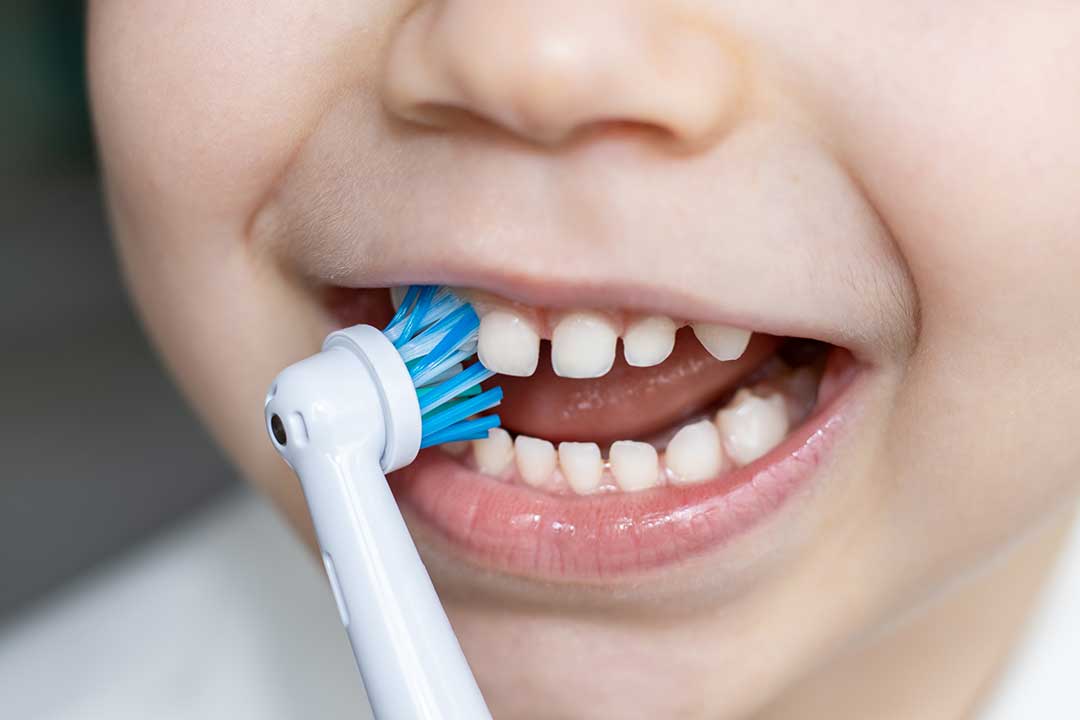
Parents should also watch for frequent snacking. Grazing from morning until bedtime keeps teeth exposed to acids for much of the day. Planned meals and snacks give saliva more time to neutralize acids and help the mouth recover.
Are dental sealants useful for children?
Sealants protect the deep grooves on the chewing surfaces of back teeth. These grooves can be difficult to clean, especially when newly erupted permanent molars are involved. A sealant creates a thin protective covering that helps keep food and plaque from collecting in those areas.
Sealants do not replace brushing or fluoride. They are an additional layer of protection, particularly for children whose molars have deep pits and fissures or who have already experienced decay.
A child’s need for sealants depends on the shape of the teeth, oral hygiene, diet, fluoride exposure, and previous cavity history. Sealants should be checked periodically because they can wear or chip over time.
Is fluoride safe and necessary?
Fluoride is one of the most thoroughly studied tools for preventing tooth decay. It helps strengthen developing teeth and supports the repair of early enamel damage.
Children generally receive fluoride from toothpaste and, depending on the household water source, drinking water. Families using private wells, filtered water, bottled water, or multiple water sources should avoid guessing about fluoride exposure. A dental or medical professional can help determine whether additional fluoride is appropriate.
Extra fluoride should not be started without guidance. The correct amount depends on the child’s age, cavity risk, toothpaste use, drinking water, and other sources of fluoride.
Professional fluoride varnish may also be recommended for children at elevated risk of decay. It is a concentrated topical treatment applied to the teeth for added protection.
Does flossing matter for children?
Flossing is necessary when two teeth touch closely enough that a toothbrush cannot clean between them. For some children, this begins when back baby teeth become tightly spaced. For others, it becomes especially important after permanent teeth erupt or orthodontic appliances make cleaning more difficult.
An adult should help young children floss. Floss picks or other tools may be easier for caregivers to use, but the goal is the same: gently clean the sides of both teeth without snapping the floss against the gums.
Bleeding during flossing can occur when gums are inflamed from plaque. If bleeding continues despite several days of careful cleaning, the child’s oral health should be assessed.
What early warning signs should parents watch for?
A cavity may not hurt at first. Parents should watch for white, chalky areas; brown or dark spots; rough edges; food repeatedly catching in one location; sensitivity to cold or sweets; bad breath that does not improve with brushing; or a child avoiding chewing on one side.
Pain, facial swelling, fever, or difficulty swallowing requires prompt attention. A child does not need to wait for severe discomfort before receiving an evaluation. Early decay may be easier to manage than a larger cavity that reaches the inner part of the tooth.
Regular dental visits allow developing teeth to be monitored, brushing and diet habits to be reviewed, and prevention to be adjusted as a child grows. The most effective approach is not a single product or technique, but a dependable routine: fluoride toothpaste twice daily, water between meals, limited sugar exposure, cleaning between touching teeth, and timely attention to changes.