

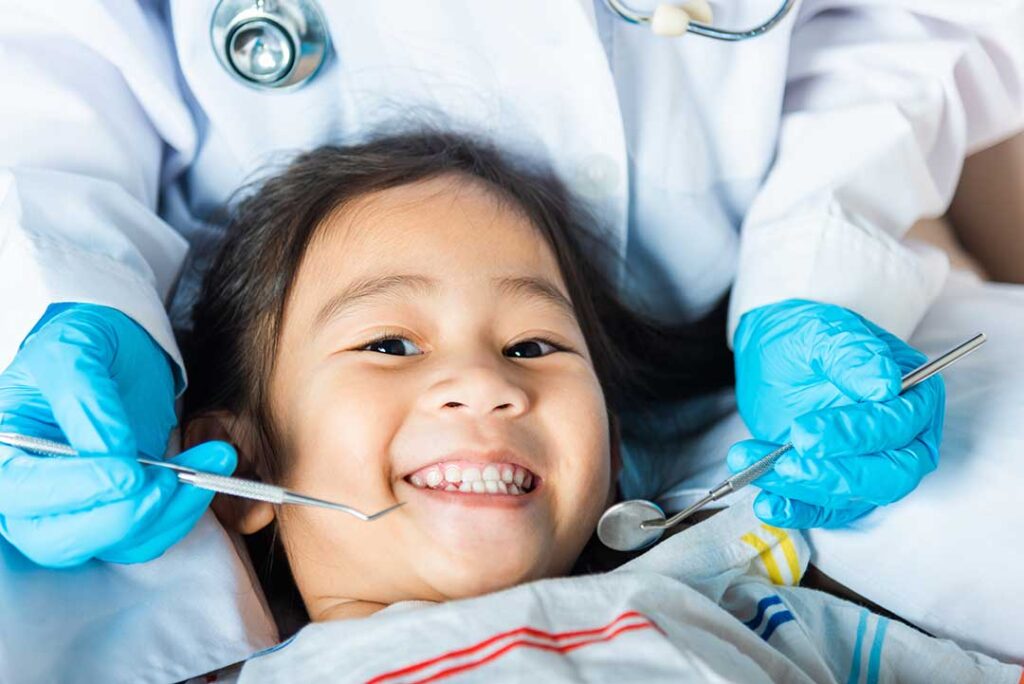
The recommended time for a child’s first dental visit is when the first tooth appears, or no later than the first birthday. This early visit is usually brief and preventive. It helps identify early signs of tooth decay, review feeding and brushing habits, and give caregivers practical guidance before problems become painful or difficult to treat. ([ada.org](https://www.ada.org/resources/ada-library/oral-health-topics/caries-risk-assessment-and-management?utm_source=openai))
Why should a baby see a dentist so early?
Baby teeth can develop decay soon after they erupt. Even though they will eventually fall out, primary teeth help children chew, speak clearly, and maintain space for permanent teeth. Untreated decay can cause pain, infection, difficulty eating, sleep disruption, and premature loss of a tooth.
The first visit also establishes a dental home—an ongoing source of preventive guidance and care. A dentist can assess a child’s individual risk for cavities and discuss habits that may affect oral development, including frequent snacking, nighttime bottles, pacifier use, thumb-sucking, and exposure to sugary drinks. ([pre-prod.aapd.org](https://pre-prod.aapd.org/research/oral-health-policies–recommendations/periodicity-of-examination-preventive-dental-services-anticipatory-guidance-counseling-and-oral-treatment-for-infants-children-and-adolescents/?utm_source=openai))
Waiting until age three or later is a common misconception. By that point, a child may already have several years of exposure to foods, drinks, and habits that contribute to tooth decay. Early evaluation allows concerns to be addressed while they are still manageable.
What happens during the first appointment?
The first dental visit is generally more educational than treatment-focused. Depending on the child’s age, cooperation, and oral health, the visit may include:
- A gentle examination of the teeth, gums, jaw, and bite
- A review of brushing, fluoride toothpaste, feeding, and snack routines
- Assessment of cavity risk and enamel development
- Guidance about pacifiers, thumb-sucking, and other oral habits
- Discussion of injury prevention, especially for children who are beginning to walk
- Fluoride varnish when appropriate
- Advice about what to expect as more teeth erupt
An infant may be examined while sitting on a caregiver’s lap. The goal is to make the experience calm and age-appropriate rather than to complete extensive treatment. X-rays are not routinely needed for every first visit; they are considered when there is a specific clinical reason.
Should the first visit happen after the first tooth erupts?
Yes. The formal recommendation is to arrange the visit after the first tooth appears and no later than 12 months of age. The first tooth often erupts around six months, but timing varies considerably among healthy children.
If a child’s first tooth has already appeared and the first visit has not happened, there is no benefit in waiting for a more convenient age. A late start does not mean a child will have dental problems, but an earlier assessment provides more time to prevent them. ([cdc.gov](https://www.cdc.gov/mmwr/volumes/68/wr/mm6804a3.htm?utm_source=openai))
What should caregivers do before the appointment?
A small amount of preparation can make the visit easier for both the child and caregiver.
Explain the visit using simple, neutral language. Words such as “look,” “count,” and “clean” are usually less alarming than descriptions involving pain, needles, or drilling. Avoid promising that the visit will not hurt, because that can create confusion if the dentist needs to examine a sensitive area.
Caregivers can also:
- Bring a list of medications, allergies, medical conditions, and questions.
- Note the child’s usual bottle, breastfeeding, snack, and drink routines.
- Bring a comfort item if the office permits it.
- Choose a time when the child is usually rested.
- Avoid making the appointment a major event filled with warnings or repeated reassurance.
Children often respond to the emotions of adults around them. A calm, matter-of-fact approach can help the visit feel like a normal part of growing up.
What should a baby’s home routine look like before the first visit?
Before teeth erupt, wipe the gums gently with a clean, soft cloth or infant toothbrush. Once the first tooth appears, brush twice daily with a small, soft-bristled toothbrush.
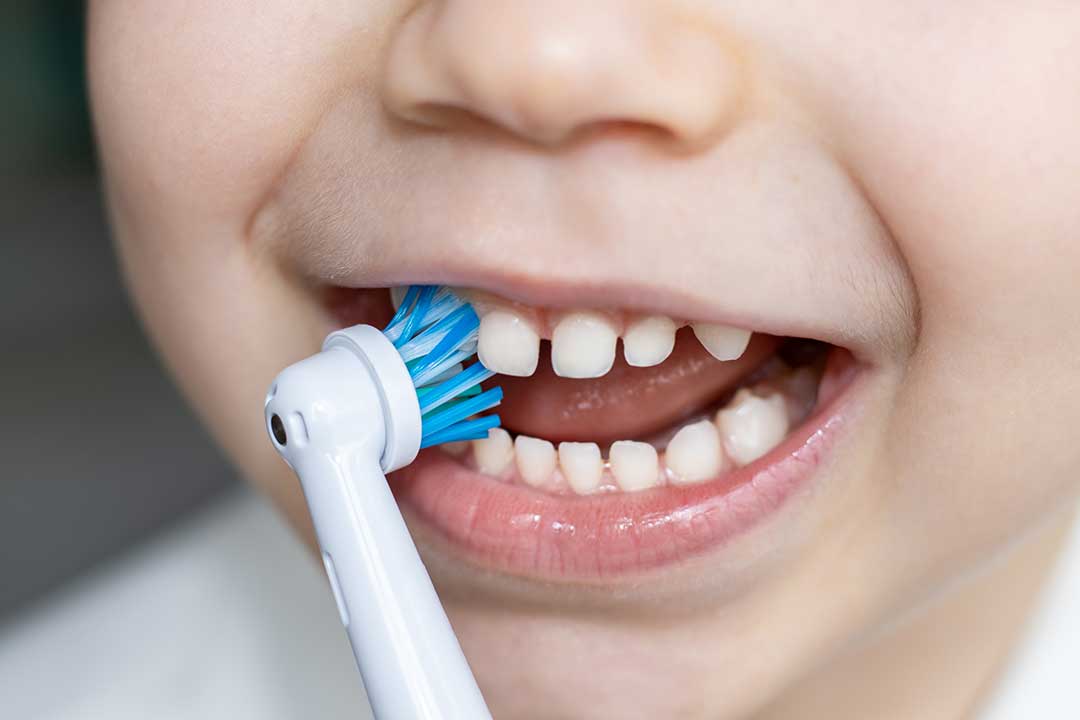
For children younger than three years, use a rice-sized smear of fluoride toothpaste. For children ages three through six, use no more than a pea-sized amount. An adult should perform or closely assist with brushing because young children generally cannot clean every surface effectively or reliably spit out toothpaste. ([cdc.gov](https://www.cdc.gov/oral-health/prevention/oral-health-tips-for-children.html?CDC_AAref_Val=https%3A%2F%2Fwww.cdc.gov%2Foralhealth%2Fbasics%2Fchildrens-oral-health%2Findex.html%3Futm_source%3Dfeatureimpact&utm_source=openai))
Frequent exposure to sugary drinks and snacks can increase cavity risk. Water between meals is generally preferable to juice, sweetened beverages, or continuously sipping milk. A bottle or breastfeed used for comfort at bedtime can also affect teeth if it becomes frequent or continues after teeth have erupted, so feeding patterns are worth discussing during the visit.
Does fluoride matter for children in Laguna Hills?
Fluoride recommendations depend on a child’s age, cavity risk, toothpaste habits, and the fluoride level of the water source. Families in Laguna Hills may receive water through different household arrangements, including municipal service or private delivery, so assumptions about fluoride exposure are not always reliable.
Caregivers should avoid adding fluoride supplements or changing toothpaste use without individualized guidance. A dental or medical professional can review the child’s primary drinking-water source, bottled-water use, and risk factors. Fluoride toothpaste, used in the correct small amount, is recommended once teeth erupt, with adult supervision. ([cdc.gov](https://www.cdc.gov/oral-health/prevention/oral-health-tips-for-children.html?CDC_AAref_Val=https%3A%2F%2Fwww.cdc.gov%2Foralhealth%2Fbasics%2Fchildrens-oral-health%2Findex.html%3Futm_source%3Dfeatureimpact&utm_source=openai))
When should a child be seen sooner than the first birthday?
A child should be evaluated earlier if there are signs of a possible dental problem or an injury. Examples include:
- White, brown, or black spots on the teeth
- Chipped, fractured, loose, or displaced teeth
- Swelling of the gums, face, or jaw
- Bleeding that does not have an obvious explanation
- Persistent mouth pain or unusual sensitivity
- Difficulty eating, sleeping, or drinking
- A tooth that does not appear to be developing normally
- A dental injury from a fall or impact
Urgent swelling, fever associated with dental symptoms, trouble breathing or swallowing, or uncontrolled bleeding requires prompt medical attention.
How often should visits continue afterward?
Many children benefit from routine examinations about every six months, but the appropriate interval depends on cavity risk, development, medical history, oral habits, and previous findings. Some children need more frequent monitoring, while others may have a different schedule.
The first visit is not a test of parenting and does not need to be delayed until a child can cooperate perfectly. Its purpose is to begin prevention early, make oral care familiar, and give caregivers information that fits the child’s daily life.