

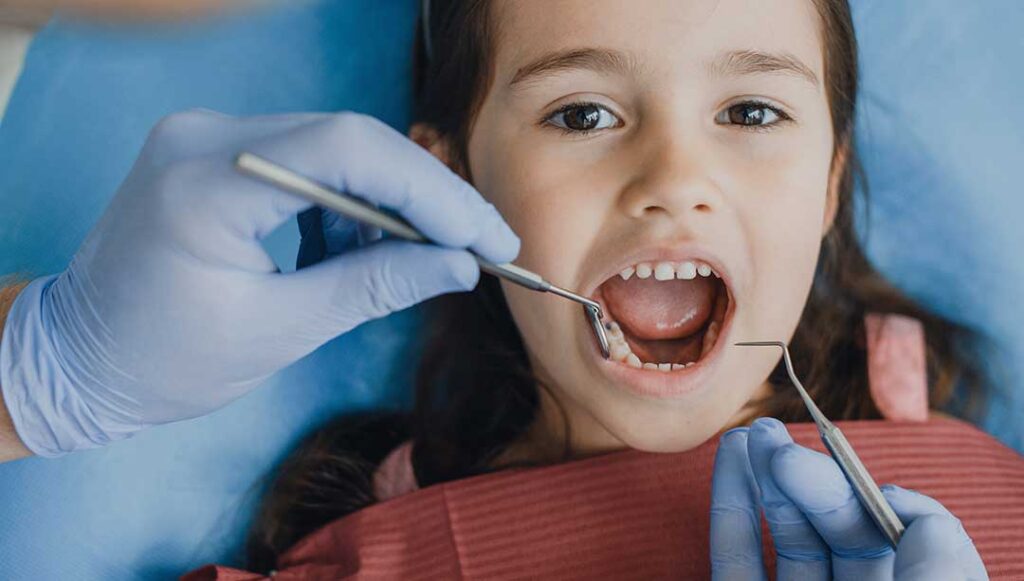
A baby’s first teeth may seem temporary, but they support eating, speech, facial development, and the spacing needed for adult teeth. Daily care should begin before the first tooth appears and continue as soon as it breaks through the gums.
When should parents start cleaning a baby’s mouth?
Cleaning can begin at birth. Wipe the gums gently with a clean, damp washcloth or soft gauze, especially after feedings and before bedtime. This helps remove milk residue and gets the baby used to daily mouth care.
Once the first tooth appears—often around 6 months, although timing varies—switch to a small, soft-bristled toothbrush. Primary teeth can develop decay as soon as they erupt, so waiting for more teeth to come in is unnecessary. ([cdc.gov](https://www.cdc.gov/oral-health/prevention/oral-health-tips-for-children.html?CDC_AAref_Val=https%3A%2F%2Fwww.cdc.gov%2Foralhealth%2Fbasics%2Fchildrens-oral-health%2Findex.html%3Futm_source%3Dfeatureimpact&utm_source=openai))
A baby does not need to rinse with mouthwash. Young children may swallow it, and mouthwash is not a substitute for brushing.
How should the first teeth be brushed?
An adult should brush the teeth twice a day, usually after breakfast and before bed. Use a child-sized toothbrush with soft bristles and a small head. Gently clean the front, back, and chewing surfaces of every tooth.
For children younger than 3 years, use a smear of fluoride toothpaste about the size of a grain of rice. The American Dental Association and American Academy of Pediatric Dentistry recommend this small amount because fluoride helps prevent decay while limiting the amount a young child may swallow. ([ada.org](https://www.ada.org/resources/ada-library/oral-health-topics/toothbrushes?utm_source=openai))
Helpful techniques include:
- Sit the child on a lap or position the child’s head where the mouth is easy to see.
- Lift the upper lip occasionally to check the gumline, where plaque can collect.
- Use gentle, short strokes rather than scrubbing forcefully.
- Let the child hold a second toothbrush if that makes brushing easier, but keep control of the actual cleaning.
- Replace the toothbrush every three to four months, or sooner if the bristles become bent or worn. ([ada.org](https://www.ada.org/resources/ada-library/oral-health-topics/toothbrushes?utm_source=openai))
Children usually need hands-on help for several years. Even when a toddler wants to brush independently, an adult should complete the brushing afterward.
Should babies use fluoride toothpaste?
For most children, fluoride toothpaste is recommended as soon as teeth erupt, using the rice-sized amount described above. Fluoride strengthens enamel and helps repair early damage caused by acids from bacteria.
Guidance can differ for children younger than 2 years depending on cavity risk, water fluoride levels, diet, and other sources of fluoride. Parents in Laguna Hills should ask the child’s dentist or physician about the appropriate toothpaste and fluoride plan, particularly if the household uses bottled, filtered, or well water instead of a consistent municipal source. The total amount of fluoride from drinking water, toothpaste, supplements, and other products should be considered together. ([cdc.gov](https://www.cdc.gov/oral-health/prevention/oral-health-tips-for-children.html?CDC_AAref_Val=https%3A%2F%2Fwww.cdc.gov%2Foralhealth%2Fbasics%2Fchildrens-oral-health%2Findex.html%3Futm_source%3Dfeatureimpact&utm_source=openai))
After age 3, children generally use no more than a pea-sized amount of fluoride toothpaste. An adult should continue supervising brushing and encourage the child to spit rather than swallow the toothpaste. ([ada.org](https://www.ada.org/resources/ada-library/oral-health-topics/toothbrushes?utm_source=openai))
What feeding habits increase the risk of cavities?
Frequent exposure to sugar is more concerning than a single occasional sweet food. Milk, formula, juice, sweetened drinks, and snacks can contribute to decay when they remain on the teeth repeatedly throughout the day.
Avoid putting a baby to bed with a bottle containing formula, milk, juice, or another sweetened drink. If a bottle is needed for comfort, plain water is less likely to promote decay. Once teeth are present, avoid allowing a child to carry a bottle or no-spill cup continuously.
Breast milk and formula provide essential nutrition, but feeding patterns still matter after teeth erupt. Frequent, prolonged exposure to carbohydrate-containing liquids can increase cavity risk. The American Academy of Pediatric Dentistry also cautions against routinely offering sugary drinks or snacks between meals. ([aapd.org](https://www.aapd.org/assets/1/7/P_ECCClassifications1.PDF?utm_source=openai))
For area households managing warm weather, outdoor play, or long car trips, water is the simplest drink to offer between meals. Juice should not be treated as a replacement for water, and it is best served with a meal rather than sipped over extended periods.
What should parents know about pacifiers, spoons, and teething?
Teething may cause drooling, gum tenderness, and a desire to chew. A chilled—not frozen—teething ring or clean, cool washcloth may provide comfort. Avoid gels or products containing numbing ingredients unless a physician specifically recommends them.
Do not dip a pacifier in honey, sugar, syrup, or another sweet food. Honey should not be given to children younger than 12 months because of the risk of infant botulism. Cleaning a dropped pacifier by putting it in an adult’s mouth can also transfer cavity-causing bacteria, so rinsing it with water is preferable.
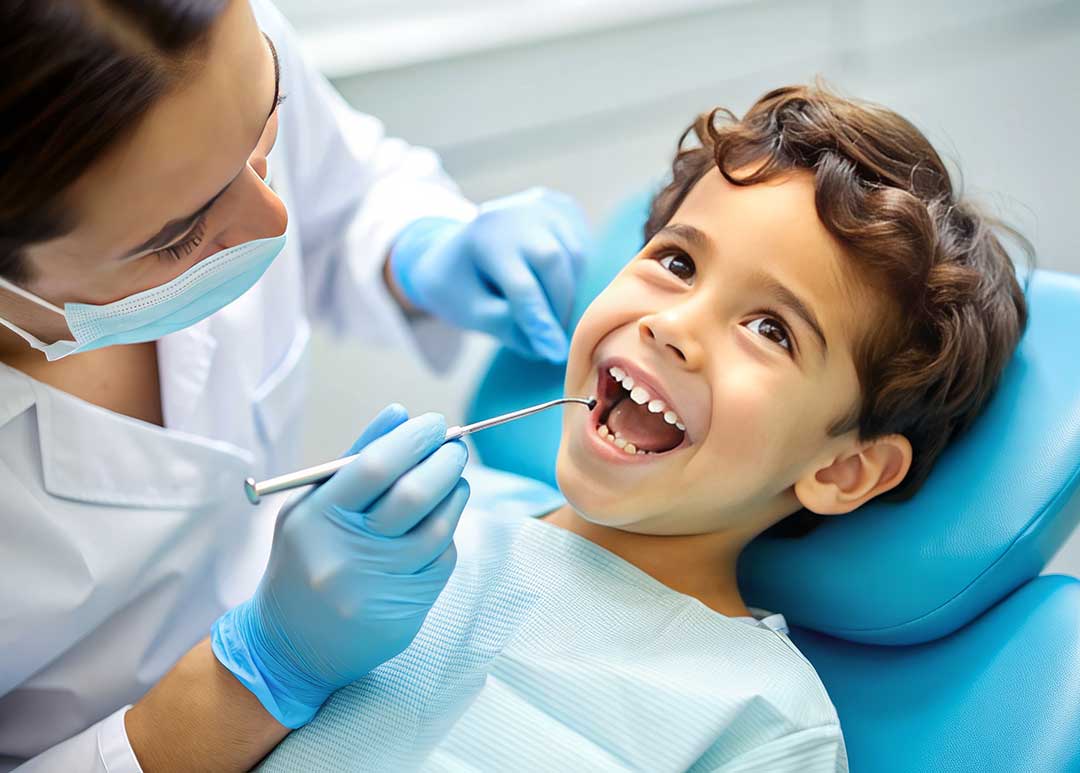
A small amount of gum discomfort can be normal, but fever, facial swelling, pus, difficulty swallowing, breathing problems, or a child who appears seriously ill requires prompt medical attention.
When should a baby first see a dentist?
The first dental visit should occur when the first tooth appears and no later than the first birthday. This visit is preventive rather than dependent on a problem. It allows assessment of enamel, eruption, feeding habits, fluoride exposure, and early signs of decay. ([cdc.gov](https://www.cdc.gov/oral-health/prevention/oral-health-tips-for-children.html?CDC_AAref_Val=https%3A%2F%2Fwww.cdc.gov%2Foralhealth%2Fbasics%2Fchildrens-oral-health%2Findex.html%3Futm_source%3Dfeatureimpact&utm_source=openai))
Parents can use the visit to ask about:
- Whether the child’s drinking water provides fluoride
- How much fluoride toothpaste to use
- Bottle, breastfeeding, and cup habits
- Teething discomfort
- Thumb-sucking or pacifier use
- White spots, brown areas, or lines on the teeth
- Whether fluoride varnish is appropriate
Fluoride varnish may be recommended when a child has elevated cavity risk. It is applied in a small amount and is different from giving a child fluoride supplements at home. Supplements should not be started without individualized guidance.
What signs should not be ignored?
A white, chalky spot near the gumline can be an early sign of enamel damage. Brown areas, visible holes, chipping, bleeding gums, persistent bad breath, or sensitivity during eating also deserve attention.
Baby teeth should not be ignored because they will eventually fall out. Untreated decay can cause pain, infection, difficulty eating, disturbed sleep, and problems with normal routines. Early evaluation is especially useful because small changes may be easier to manage than advanced decay.
A simple routine—clean gums before teeth erupt, brush twice daily after the first tooth appears, limit frequent sugary drinks, and arrange an early preventive dental visit—provides a strong foundation for oral health during infancy and beyond.